
We can help with your Nuisance Animals
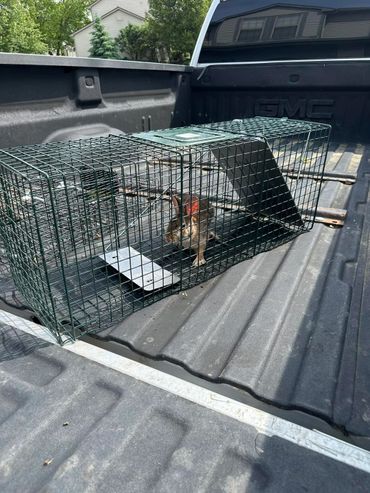
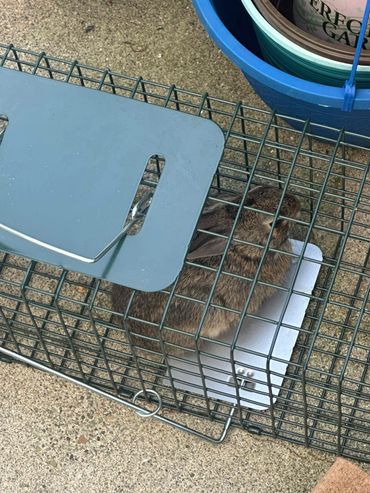
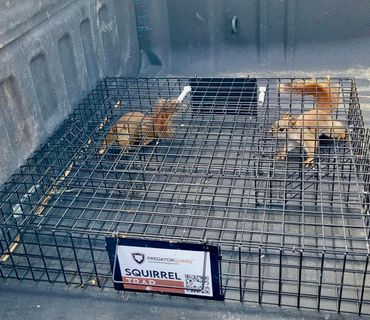
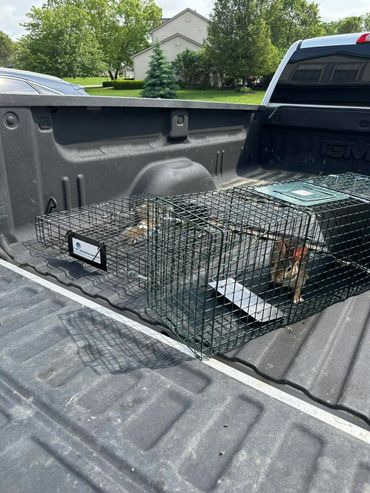


Raccoons

Raccoons are known to be one of the most common nuisance animals in Ohio. These clever creatures are adaptable and can thrive in both urban and rural areas. Raccoons are notorious for rummaging through garbage cans, creating a mess, and potentially spreading diseases. They can also cause damage to properties by tearing up roofs, walls, and insulation in search of shelter. If you encounter a raccoon on your property, it is best to contact a professional wildlife control operator for safe and effective removal.
Squirrels
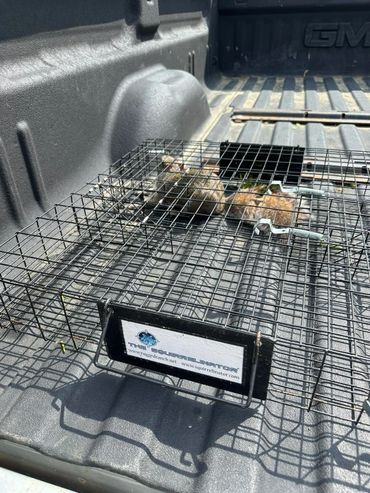
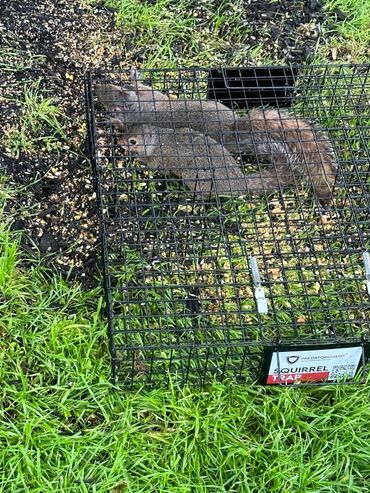
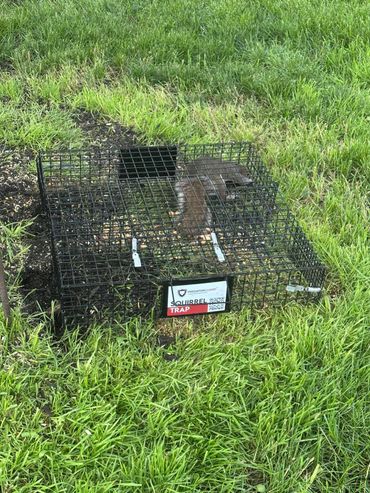
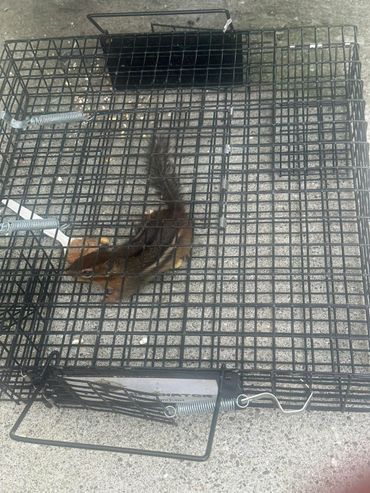
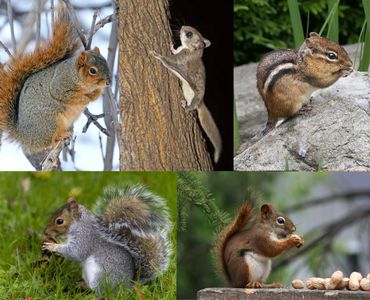
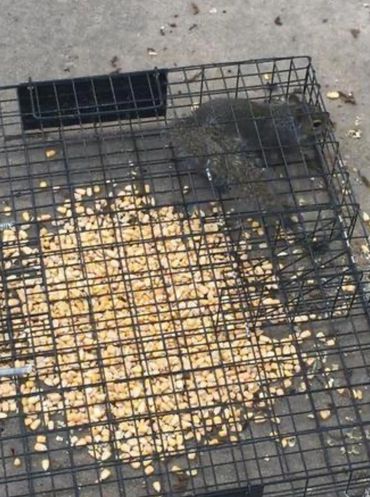
Squirrels may appear cute and harmless, but they can become a nuisance when they invade homes or damage property. These agile climbers can easily access attics through small openings and create nests, causing potential fire hazards by chewing on electrical wires. Squirrels are also known for raiding bird feeders and gardens, leading to frustration for homeowners. If you suspect a squirrel infestation, it is advisable to seek professional help to ensure proper removal and prevention.
Skunks
Skunks are infamous for their unpleasant odor, which they use as a defense mechanism when threatened. These nocturnal creatures can dig burrows under decks, sheds, or porches, causing structural damage. Skunks are omnivorous and may feed on bird eggs, insects, small mammals, fruits, and garbage. If you come across a skunk on your property, it is crucial to avoid any direct contact and seek assistance from a professional wildlife control operator.
Groundhogs
Groundhogs
Groundhogs, also known as woodchucks, are skilled diggers and can cause significant damage to yards and gardens. Their burrows can undermine foundations, sidewalks, and other structures, posing potential safety hazards. Groundhogs are herbivores and feed on vegetation, including crops, making them a nuisance for farmers and gardeners. If you have a groundhog problem, it is recommended to consult a professional wildlife control operator who can implement humane removal techniques.
Opossums
Groundhogs
Opossums
Opossums are nocturnal creatures that often take up residence in attics, crawlspaces, or under decks. Although they are generally docile and rarely attack humans or pets, they can still cause problems. Opossums may scavenge through garbage cans, creating a mess, and may carry diseases such as leptospirosis or parasites like fleas and ticks. If you encounter an opossum on your property, it is advisable to contact a wildlife control professional to handle the situation safely and efficiently.
In Ohio, dealing with nuisance animals requires the expertise of a professional wildlife control operator. These specialists have the knowledge and experience to safely remove animals from properties while ensuring the well-being of both humans and wildlife. If you are facing issues with any of these common nuisance animals, it is best to seek professional help rather than attempting to handle the situation yourself.
Foxes
Groundhogs
Opossums
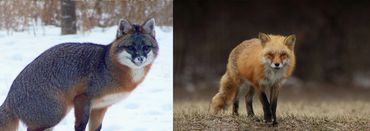
Foxes are solitary creatures during the fall and early winter. Their range is one to two miles, but if food supplies dwindle within this area, the animals will extend their normal range to search for food. They typically eat mice, rats, rabbits, groundhogs, and other small mammals; also birds, fruits, and some grasses. These foxes do not hibernate; under extreme winter weather conditions they will reduce activity levels and take shelter for a day or two. Red foxes are nocturnal creatures, meaning that they are most active at night, feeding and moving from place to place. Nonetheless they are often found hunting during daylight hours.
Muskrats
Muskrats
Muskrats
Swimming is what muskrats do best. They can swim up to speeds of two to three miles per hour. It would take an Olympic swimmer to catch up with them! Muskrats spend much of their time sleeping during the day and slip into the water in the evening. They dive underwater for food, or in search of vegetation for their lodges.
Like beavers, muskrats also build lodges. However, their lodges consist of more aquatic vegetation than sticks. Sometimes they even make their own feeding stations to protect themselves from predators while they are eating. They typically eat aquatic vegetation, a few terrestrial plants, clams, frogs, crayfish, and fish. Their private dining rooms are made from weeds and plants and are built on top of floating rafts of reeds. The muskrat lodges usually have one nesting chamber and several underwater entrances for quick escape routes.
Beavers
Muskrats
Muskrats
This furbearer occurs in forested ponds, lakes, and rivers with the highest abundance being found in the eastern and western portions of Ohio. Beavers living along a river make burrows with an underwater entrance in the riverbank; those in streams, lakes and ponds usually build dams that generally incorporate a lodge, which has one or more underwater entrances and living quarters in a hollow near the top. Wood chips on the floor absorb excess moisture and a vent admits fresh air. Typical foods include poplar, aspen, willow, birch, and maple trees.
Coyotes
Muskrats
Coyotes
The coyote is primarily a nocturnal animal, active during the nighttime hours. However, when it is less threatened by humans, it will hunt and move from place to place during the day. Resident coyotes form packs which generally consist of an unrelated (non-family) alpha pair and several subordinate adults.
The coyote's greatest strength is that it can adapt to take advantage of a variety of habitats. Coyotes are found in open, wooded, and mixed natural habitats. In addition, while many wildlife species avoid developed areas and often declined as a result of human expansion, the coyote has thrived. Coyotes are omnivorous and typical foods include small mammals (voles, shrews, rabbits, mice), deer, fruits, nuts, and carrion. In urban areas coyotes may also take advantage of food sources from humans. Conflicts in urban areas can be avoided by removing attractants if coyotes are present in the area (secure garbage, keep pet food indoors, etc.). In some cases, coyotes may prey on livestock, particularly sheep and
chickens. Deterrence methods such as securing livestock at night and during lambing, kidding, or calving, use of electric fencing, and livestock guardian animals can help to prevent livestock depredation by coyotes.

Exclusion
What is Exclusion
Exclusion involves identifying and sealing the access points that wildlife use to enter structures, keeping them out for good.
It is highly a goal to reduce the wildlife's effect to these areas.
Safe and Humane Wildlife Control Services

Wildlife Removal
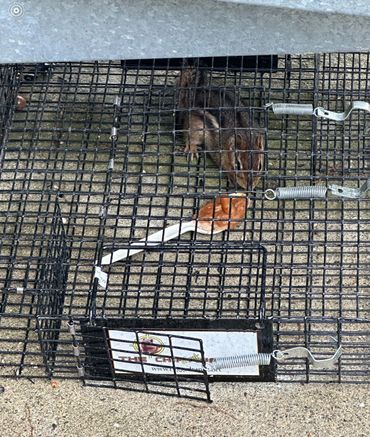
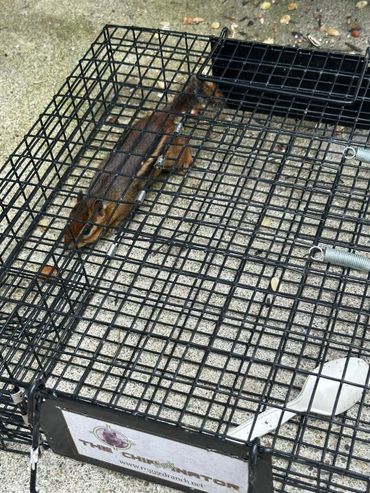
We provide humane removal services for a variety of wildlife including squirrels, chipmunks, groundhogs, raccoons, opossums, skunks, foxes, coyotes, beaver and birds. Our team of professionals uses safe and effective methods to remove the animals and relocate them to their natural habitats.
Exclusion Services
In addition to removal, we offer exclusion services to keep wildlife out of your home or property. We'll inspect your property for potential entry points and install barriers to prevent future intrusions.
Attic Restoration
If wildlife has made its way into your attic, we offer restoration services to repair any damage and clean up any mess. We'll remove contaminated insulation, repair chewed wires, and disinfect the area to prevent the spread of disease.
Emergency Response
We're available 24/7 for emergency wildlife situations. Our team will respond quickly and take necessary measures to ensure your safety and the safety of the animals involved.
Humane Trapping
For animals that cannot be relocated, we offer humane trapping services. Our team ensures that the animals are trapped safely and humanely, and we work within all ODNR regulations.
Professional and Experienced
Our team of professionals has years of experience in the wildlife control. We're committed to providing safe and effective solutions for any wildlife situation.